

TRUE or FALSE: You Don’t Need to Attend College to be a Great CEO
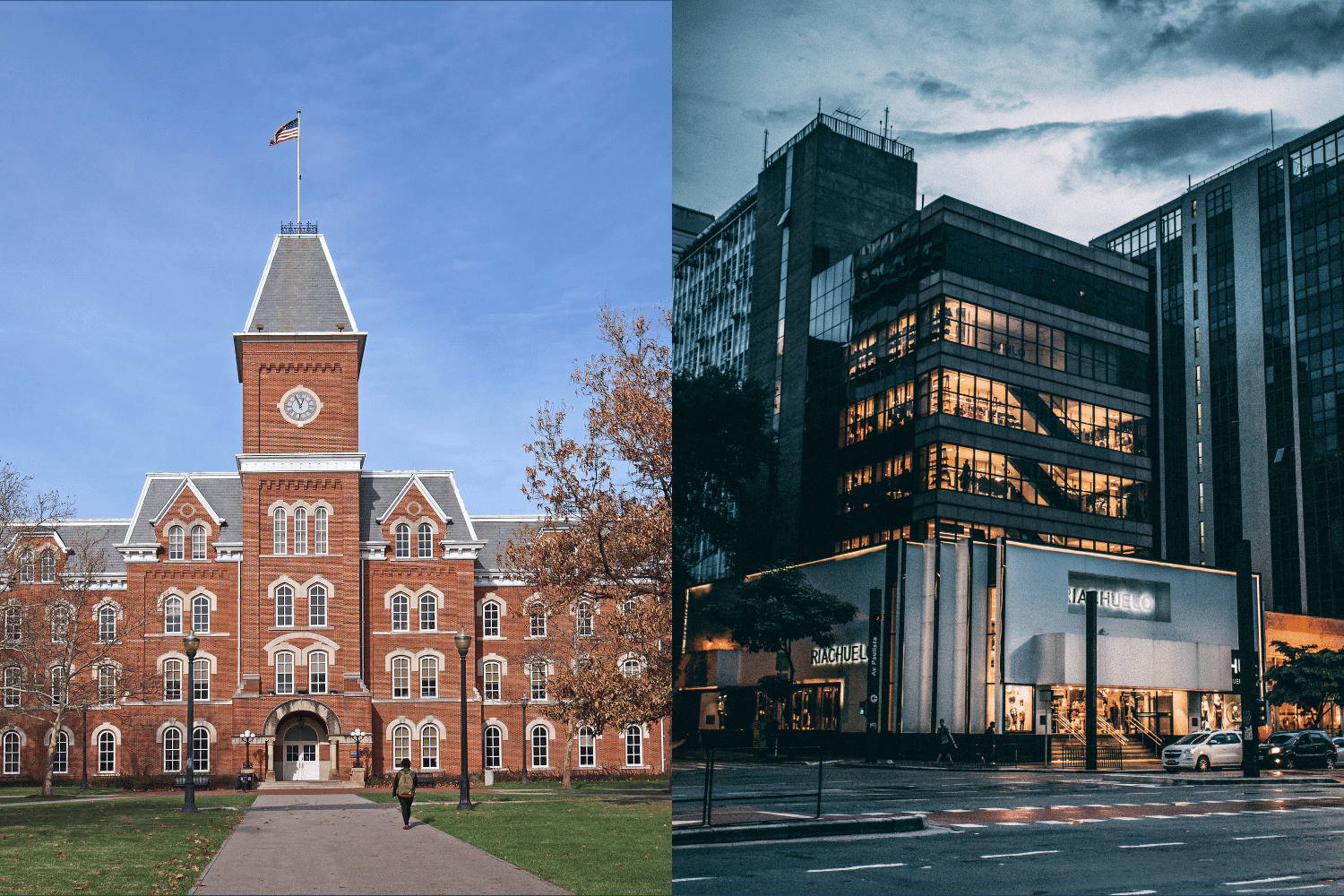
While a college degree has traditionally been viewed as a gateway to professional success, for aspiring executives in today’s market, the emphasis is shifting away from formal education alone.
Warren Buffett’s recent statement that “You don’t need to attend college to be a great CEO” has reignited the conversation, underscoring a change in what truly matters at the leadership level: business acumen, adaptability, and proven results, not just a diploma on the wall.
Warren Buffett’s Take: Talent Over Credentials
Buffett, the legendary CEO of Berkshire Hathaway, asserts that he never checks where an executive candidate has gone to school, insisting that “innate business acumen and personal integrity outweigh any academic credentials”.
While he himself attended both the University of Nebraska and Columbia University, Buffett points to examples like Bill Gates (a Harvard dropout), Pete Liegl (who had an MBA but worked his way up in manufacturing), and Ben Rosner (whose formal education ended in sixth grade) as proof that greatness doesn’t hinge on academic pedigree.
This perspective, echoed by other executives and analysts, underlies a key trend: companies are focusing on what a leader delivers, not just where or what they studied.
The Hallmarks of a College Degree
A college degree still carries important benefits. It’s a testament to discipline—the ability to persevere through challenging coursework and multi-year projects.
Degrees also represent foundational knowledge and exposure to key disciplines, as well as analytical thinking and sometimes specialized skill sets.
Firms still value strong academic performance: 83% of C-suite hiring executives rate GPA as at least somewhat important, with 12% considering it essential and 43% calling it very important in their hiring decisions. University prestige also plays a role, with 51% of executives regarding elite institutions as important or critical, and almost as many companies targeting graduates from “preferred” university lists.
A degree has practical benefits beyond business: it’s a signal to employers of a candidate’s ability to commit, complete complex tasks, and operate within structured environments. Graduates also build diverse networks that can serve them well in leadership roles across industries. In certain fields—finance, law, engineering—a degree (or more advanced credential) may in fact be a prerequisite.
When Experience Trumps Education
Despite these advantages, recent hiring data reveals that degrees are no longer a mandatory requirement for executive roles in many sectors. In a 2025 analysis of 2,600 CEOs, researchers found that 8% had no college degree.
This trend validates the career paths of many high-performing professionals who have advanced by demonstrating extraordinary results, not just years of service. High-performing CEOs without degrees are often industry insiders with deep, specialized expertise, excelling in measurable outcomes and team-building.
Organizations themselves are evolving. In their search for executive talent, many are connecting the dots between adaptable thinking, strategic clarity, outcome-driven leadership, and business results. Companies are reporting an increasing willingness to evaluate non-traditional candidates, especially those from unconventional backgrounds who demonstrate vision and the capacity to deliver results.
Two CEOs Who Took a Different Path to the Top
Steve Jobs: Building Apple Without a College Degree
Apple co-founder and former CEO Steve Jobs left Reed College after just six months and never earned a college degree. But leaving a degree program didn’t mean he stopped learning. Jobs continued attending classes that interested him, including calligraphy—a subject he later credited with shaping the typography of the original Macintosh.
His experience illustrates an important distinction: formal credentials and a commitment to learning aren’t the same thing. Knowledge gained outside a traditional degree program can still influence how a leader develops products and recognizes opportunities.
Brian Chesky: From Industrial Design to Leading Airbnb
Airbnb co-founder and CEO Brian Chesky earned a degree in industrial design from the Rhode Island School of Design—not business, technology, or hospitality. While his education wasn’t a conventional route into running a global travel platform, it became part of his approach to leadership.
Airbnb credits Chesky with embedding his creative background in the company’s culture, product, and community. His path demonstrates the value of transferable skills: a degree doesn’t have to match an industry to provide a useful foundation for leading within it.
Should you let the lack of a degree limit your potential?
Absolutely not. Aspiring executives who lack a degree should not let that fact define their potential or curb their ambitions—especially in a market shifting rapidly toward valuing impact over formal qualifications.
Ask any seasoned executive recruiter, and you’ll hear the same message: many of today’s most successful leaders made their mark by consistently exceeding goals, cultivating teams, and demonstrating a relentless ability to learn and adapt.
A degree is never a detriment: it bolsters a candidate’s foundation and can help open doors. But for those whose learning has come through the trenches of professional experience, performance, reputation, and resilience can be just as compelling as academic credentials.
How to Showcase Your Strengths
What does this mean for your career story? Whether you climbed the ladder with the aid of a degree or through on-the-job experience, focus on painting a clear picture of your strengths: leadership impact, strategic innovation, fiscal stewardship, team building, and the ability to thrive through change.
Partnering with an executive search agency like Oggi Talent can help you spotlight these assets, craft a compelling narrative for employers, and even identify roles where your background will be valued on its own merits.
If you’re ready to take the next step in your executive career, don’t let education alone define your limits. Reach out to Oggi Talent to learn how our team can help you navigate the executive search process—ensuring your achievements, vision, and leadership strengths shine through to the right organizations.
Frequently Asked Questions
Can I become a CEO or executive without a college degree?
Yes, many executives have reached the top without a degree—by demonstrating exceptional results, industry expertise, and leadership skills.
Does a college degree still matter for executive jobs?
A degree remains an asset, especially in fields where technical know-how is critical, but experience and measurable impact are gaining importance at the highest levels.
What do companies look for when hiring executives today?
Outcome orientation, adaptability, strategic thinking, and proven results matter most—sometimes outweighing education level.
How can I stand out if I lack a degree?
Emphasize accomplishments, solve tangible business problems, and build a reputation for leadership and innovation. Professional recruiters can help you highlight these strengths.
Is university prestige important for executive hiring?
At some companies, yes—especially for roles recruited directly from elite business schools. However, the trend is shifting toward valuing adaptability and direct business impact above academic pedigree.
REFERENCES:
https://www.facebook.com/cnbc/posts/1228077475860310/
https://fortune.com/2025/08/22/warren-buffett-ceos-degree-hiring-what-counts/
https://finance.yahoo.com/news/warren-buffett-top-ceos-college-162127824.html
https://acetalentcurators.com/blog/executive-hiring-trends-2025-the-new-era-of-leadership/
https://ghsmart.com/insights/how-ceos-without-college-degrees-got-to-the-top/
https://www.sparkadmissions.com/blog/college-graduate-hiring-trends-survey/
https://www.wsj.com/business/some-ceos-suggest-dropping-degree-requirements-in-hiring-11620233566