

Interview Etiquette: How Professional Appearance Affects Interview Outcomes
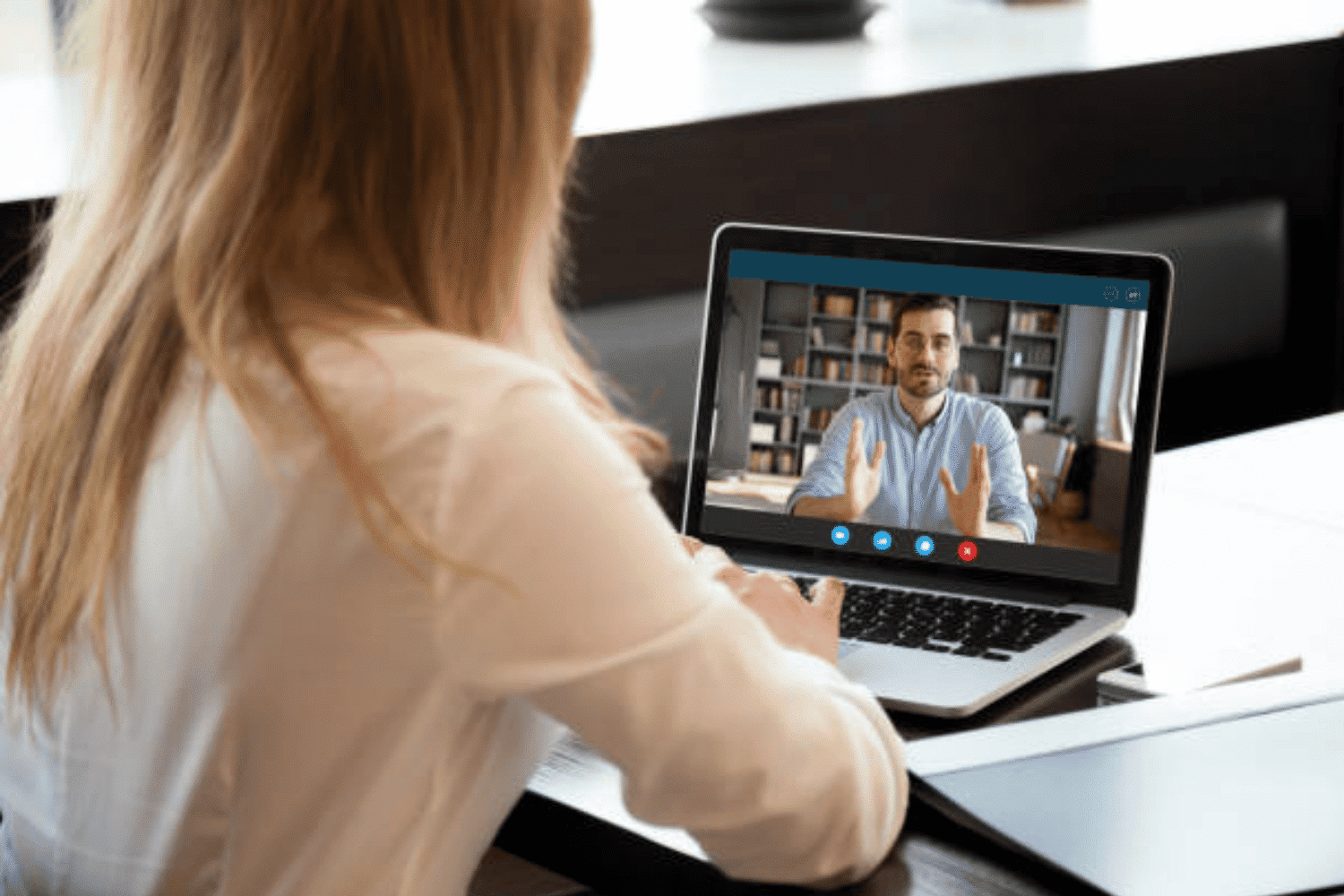
Professional candidates are often told to “be yourself” in an interview. That is good advice—but it does not mean treating the interview casually.
How you present yourself physically can influence an interviewer’s first impression before the conversation begins. Your attire, grooming, posture, facial expression, video background, and overall level of preparation all communicate something about your judgment and professionalism.
This is true for in-person interviews and virtual interviews alike.
For candidates pursuing professional roles—from Managers and Directors to Controllers, Vice Presidents, CFOs, and other senior leaders—appearance is not about fitting into a single corporate mold. It helps an employer focus on your experience, leadership capability, and potential contribution rather than avoidable distractions.
A polished, appropriate presentation signals that you respect the opportunity, understand the setting, and can represent the organization well. An overly casual or unprepared appearance can create uncertainty, even when the candidate’s background is strong.
Why Appearance Affects Interview Outcomes
Most interviewers understand that skill, experience, and leadership ability matter more than clothing. Still, an interview is a human interaction, and first impressions happen quickly.
Before the first question, an interviewer may notice whether a candidate appears prepared, well-groomed, attentive, and appropriately dressed for the role. Those observations can influence the tone of the conversation.
Appearance is often interpreted as a signal of professional judgment.
For example, a candidate who arrives in clean, well-fitted, role-appropriate attire may be seen as someone who prepared carefully and understands the meeting’s importance. A candidate who appears disheveled, overly casual, or distracted may unintentionally create questions about readiness—even if their résumé is impressive.
That does not mean candidates should be judged on fashion, wealth, body type, age, race, gender expression, disability, or personal style. Employers should assess candidates fairly and focus on qualifications. But candidates can still control certain professional basics: cleanliness, grooming, fit, context, attention to detail, and a presentation that supports—not distracts from—the conversation.
The goal is simple: look like someone ready to step into the role.
Dress for the Opportunity, Not Just the Workplace
Many companies have adopted more casual dress codes. In some offices, employees wear jeans, sneakers, hoodies, or T-shirts every day. Remote work has made casual clothing even more common.
Candidates should not assume that everyday office attire is automatically the right interview attire.
A better rule is to learn the company’s environment, then dress one level more polished than its typical day-to-day standard.
Forbes recently advised candidates to choose interview attire that is polished and purposeful, with clothing and accessories that do not distract from their qualifications. The right outfit should respect the organization’s culture while showing that the candidate recognizes the interview as a professional evaluation.
For many professional roles, polished business casual is an appropriate starting point. Depending on the company and industry, that may include:
- A blazer, sport coat, or structured cardigan.
- A collared shirt, blouse, professional knit, or polished top.
- Tailored trousers, a professional skirt, or a conservative dress.
- Clean, polished shoes that are comfortable enough to walk and sit in confidently.
- Simple accessories that do not distract.
- Clothing in solid colors or subtle patterns.
For more formal environments—such as financial services, law, consulting, private equity, executive leadership, or board-facing roles—business professional attire may be the better choice. A suit or suit-adjacent look can communicate appropriate respect for a senior-level conversation.
For more casual industries, a formal suit may not be necessary. But an intentional, well-groomed business-casual appearance remains a safer choice than dressing down too far.
The T-Shirt Example: Context Matters
A recent interviewee was preparing for a professional role and watched an online company introduction featuring the organization’s CEO. The CEO wore a casual, tattered T-shirt, and the candidate interpreted that as proof that the company had a relaxed dress standard.
He chose to wear a weathered T-shirt to the interview.
The decision was likely intended to signal culture fit. Instead, it signaled a misunderstanding of the moment.
A CEO speaking in an internal or promotional video has already established credibility and knows the context of the organization. A candidate interviewing for a role is still building trust. The interview is a professional evaluation, not a casual workday.
This does not mean leaders must wear suits or that a company’s casual culture is unimportant. It means candidates should distinguish between a company’s daily dress code and the presentation expected in a first meeting with a prospective employer.
When the standard is unclear, it is almost always better to be slightly overdressed than noticeably underdressed.
A blazer can be removed if a setting is highly casual. A weathered T-shirt cannot be made more polished after the interview has started.
Grooming and Personal Presentation
Professional appearance is not only about clothing. Grooming, hygiene, and small details can also affect how a candidate is perceived.
Candidates do not need to change their identity, personal style, or natural appearance to interview effectively. The goal is to show that care has been taken.
Before an interview, consider:
- Is your hair neat and appropriate for the setting?
- Is facial hair, makeup, and personal grooming intentional and well-maintained?
- Are your clothes clean, pressed, and in good condition?
- Are your shoes clean and suitable for the role and location?
- Are fragrance, jewelry, cosmetics, or accessories subtle enough not to overwhelm the room?
- Is your outfit comfortable enough to prevent fidgeting or distraction?
- Have you checked for lint, stains, loose threads, or visible wear?
These details may feel small, but they contribute to a larger impression of organization and readiness.
Candidates should avoid strong fragrances. In a small conference room, elevator, or panel interview, a heavy perfume, cologne, or scented product can be distracting or uncomfortable for others. Clean, neutral, and understated is usually the strongest approach.
Virtual Interview Appearance Is Still Interview Appearance
A virtual interview may happen at a kitchen table, home office, coworking space, or hotel room. But the employer sees a professional conversation—not a casual call.
Early-round interviews are frequently conducted by video, and candidates should approach them with the same level of appearance preparation as an in-person meeting.
The camera changes what the interviewer sees. It emphasizes the face, shoulders, posture, lighting, background, and clothing colors more than a typical in-person interaction.
Before a virtual interview:
- Wear the same polished top you would wear in person.
- Consider wearing a complete professional outfit, not only an interview-ready shirt.
- Choose solid colors or subtle patterns that look clear on camera.
- Avoid bright white, highly reflective material, and tight patterns that may flicker on video.
- Make sure your hair and grooming are camera-ready, not just presentable in a mirror.
- Position lighting in front of you so your face is visible.
- Raise the camera to eye level and sit at an appropriate distance.
- Use a simple, uncluttered background or an appropriate virtual background.
- Check your appearance in the camera—not just in a mirror—before joining.
The Associated Press recently recommended that candidates using video interviews test their setup before the meeting, make sure lighting clearly illuminates their face, and position the laptop so the camera is at eye level. Those steps make a candidate look more engaged and make the conversation easier for the interviewer to follow.
A clean video frame reinforces the message that the candidate is prepared and focused. A dark, backlit, cluttered, or chaotic image can undermine that impression, even when the candidate has the right experience.
In-Person Appearance and Body Language
In-person interviews allow employers to see more than the top half of a candidate’s outfit. They also observe body language, movement, greetings, posture, and the way a candidate handles the space.
Before entering the building, take a moment to check your appearance. Put away sunglasses, earbuds, food, and your phone. Straighten your clothing, check for lint, and make sure you are not visibly rushed.
When meeting the interviewer:
- Stand upright and offer a warm, professional greeting.
- Make natural eye contact.
- Smile in a way that feels genuine.
- Offer a confident but not overly forceful handshake when appropriate.
- Carry your materials in an organized folder, portfolio, or bag.
- Keep your phone silenced and out of sight.
- Sit with an open, attentive posture.
- Avoid fidgeting, slouching, or repeatedly checking the time.
Nonverbal signals matter because they shape the overall impression of confidence and engagement. The strongest body language is not overly rehearsed. It is calm, attentive, and present.
A candidate who is nervous does not need to pretend otherwise. Taking a breath, pausing before answering, and speaking at a measured pace often comes across as more confident than rushing to fill every silence.
Physical Presentation Should Support Your Message
Your appearance should reinforce the story you are telling about yourself.
If you are interviewing for a leadership role, you want the interviewer to see someone who can represent the department, communicate with stakeholders, lead meetings, and make a confident first impression with customers, employees, or board members.
That does not require expensive clothing. It requires intention.
Candidates often overthink brands, labels, and trends. Those are rarely the deciding factors. Employers are more likely to notice whether someone looks clean, prepared, comfortable, and appropriately dressed for the environment.
A well-fitted, modestly priced blazer and clean shoes will usually make a stronger impression than designer clothing that is wrinkled, too casual, poorly fitted, or distracting.
The same principle applies virtually. A thoughtful background, clear lighting, and a professional top make it easier for the interviewer to focus on your ideas. They are not substitutes for experience, but they help your experience come through without friction.
How Candidates Can Read the Dress Code
Candidates should research the organization, but avoid treating one image or online video as the final answer.
Look for patterns across several sources:
- The company website and leadership-team photos.
- LinkedIn posts from employees and leaders.
- Photos from company events.
- Industry norms.
- The role’s level and external-facing responsibilities.
- Guidance from the recruiter or hiring manager.
If you are working with a recruiter, ask directly: “What would you recommend I wear for this interview?” A good recruiter can offer useful context about the company’s culture, the interviewer’s expectations, and the meeting format.
If no guidance is available, choose polished business casual. For executive, client-facing, finance, legal, consulting, or board-facing roles, consider business professional attire.
It is better to make a thoughtful, conservative choice than to rely on assumptions.
Conclusion: A Strong First Impression Is Still an Advantage
Physical appearance does not replace experience, judgment, or leadership ability. But it can influence how clearly those strengths are seen.
For professional candidates, the most effective interview presentation is clean, polished, well-groomed, and appropriate for the company and role. Whether the interview happens over video or across a conference-room table, candidates should use appearance to reduce distractions and reinforce their readiness.
Professionalism is not about conforming to a narrow style. It is about understanding the setting and showing respect for the opportunity. Dress for the interview, prepare your environment, and allow your skills and experience to remain the focus.
Oggi Talent partners with companies and professional candidates throughout the executive and professional hiring process. Our executive recruiting approach helps organizations identify leaders who bring the right experience, judgment, and presence to the role—and helps candidates prepare for opportunities where they can make a meaningful impact.
Frequently Asked Questions
Does appearance really matter in a professional job interview?
Yes. Appearance influences the first impression an interviewer forms and can signal preparation, professional judgment, and respect for the opportunity. It should not outweigh qualifications, but a clean, well-groomed, role-appropriate presentation helps employers focus on a candidate’s skills rather than distractions.
What should I wear to a professional interview?
For most professional roles, polished business casual is a safe choice. Consider a blazer, collared shirt, blouse, professional knit, tailored trousers, skirt, or conservative dress. For formal, executive, finance, legal, consulting, or board-facing roles, business professional attire may be more appropriate.
Is a T-shirt acceptable for an interview if the company culture is casual?
Usually not. A casual workplace does not necessarily mean casual interview attire. Unless the employer specifically recommends a casual dress code, candidates should choose clothing that is clean, polished, and one level more formal than the everyday office environment.
How should I look professional in a virtual interview?
Wear a polished professional top, use front-facing lighting, position your camera at eye level, and select a quiet, uncluttered background. Avoid distracting patterns, poor lighting, clutter, and overly casual clothing. Test how you look on camera before the interview begins.
Can interview clothes be business casual for an executive role?
It depends on the organization and meeting context. For a clearly casual company, elevated business casual may be appropriate for an executive interview. However, if the role is board-facing, client-facing, finance-related, or within a formal industry, business professional attire is typically the safer choice.